- Products
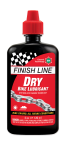 Dry LubeThe original, best-selling, and versatile dry chain lubricant
Engineered with high-performance Non-Stick Ceramic Technology, Dry Lube is a versatile lubricant that sets up with a wax-like film that’s dry-to-the-touch after application and will attract less dirt and grime.
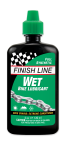 Wet LubeThe strongest, longest-lasting, water-resistant chain lubricant
Wet Lube provides maximum drivetrain smoothness, extremely quiet riding, and the ultimate rust protection in the harshest of environments.
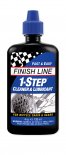 1-Step™ Cleaner & LubricantCleans and lubricates in one simple step
1-Step™ has been developed for cyclists seeking a quick cleaning and lubricating solution. It flushes out contaminants and old lubricant, before leaving behind a clean, low-friction film of high-performance lubricant.
 HALO® WAX LubricantFaster For Longer
HALO® Wax chain lubricant is engineered to dramatically improve drivetrain performance by reducing friction and wear caused by abrasive contaminants.
 HALO® WET LubricantFaster For Longer
HALO® WET chain lubricant is engineered for unparalleled drivetrain performance in both clean/dry and wet conditions.
 HALO® HOT WAX LubricantFaster For Longer
HALO® HOT WAX chain lubricant is engineered to dramatically improve drivetrain performance in both dry and wet conditions.
 Ceramic Wax LubeTotal drivetrain cleanliness without compromising durability
Ceramic Wax Lube is an advanced, wax-based lubricant that ensures total drivetrain cleanliness without compromising on durability.
 Ceramic Wet LubeCreates a non-stick ceramic coating for optimal efficiency
Ceramic Wet Lube is Finish Line’s fastest lubricant. It is engineered with a full synthetic, temperature resistant oil, to maximize efficiency and durability.
 e-Bike Chain Lube™Engineered to handle high-pressures and torque
e-Bike Lube is an extremely robust lubricant engineered to handle the higher torque and wattage loads generated by electronic assist bicycles.
 BOOSTED™ BioWaxPlant-Based Chain Lubricant
Advanced plant-based wax chain lubricant that protects your chain from dirt and grime in all conditions.
 BOOSTED™ BioWetPlant-Based Chain Lubricant
Advanced plant-based oils reduce friction, repel water and withstand high-mileage in all riding conditions.
 Speed Bike Degreaser™The fastest way to clean a bicycle drivetrain
Speed™ Degreaser requires no water rinsing. It utilizes a unique ‘dry degreasing technology’ that breaks down grease and grime to completely decontaminate your metal components.
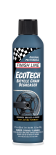 EcoTech™ Bike DegreaserTough on grime, safe for rubber and plastic parts
Formulated with natural soy extracts, EcoTech™ is a fast-acting degreaser that’s tough enough to clean even the grimiest metal parts, but safe for use around rubber and plastic components.
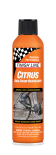 Citrus Bike DegreaserPowerful natural citrus extracts cut through dirt and grime
Ideal for everyday maintenance, Citrus Degreaser is formulated with powerful natural citrus extracts that cut through and break down stubborn dirt and soils.
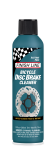 Bicycle Disc Brake CleanerRapidly cleans both disc brake rotors and pads
Bicycle Disc Brake Cleaner quickly and safely decontaminates disc brake rotors and pads to optimize braking performance and prevent brake squeal.
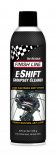 E-Shift™ Groupset CleanerEngineered specifically for use with electronic groupsets
Created to quickly clean electronic drivetrain components, Finish Line® E-Shift Groupset Cleaner removes grease and grime from all drivetrain components without the need for water rinsing.
 BOOSTED™ BioCleanWater-Based Cleaner & Degreaser
Innovative water-based cleaner and degreaser that deep cleans bike components like a solvent. Breaks down grease, oil and dirt with ease and is safe for all parts of a bike.
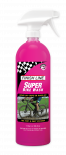 Super Bike Wash™100% biodegradable, ready to use, and requires no water rinsing
Formulated with state-of-the-art, eco-friendly cleaning agents, Super Bike Wash™ is an extremely robust cleaner that safely lifts dirt and grime from all surfaces of a bicycle.
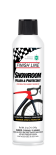 Showroom™ Polish & ProtectantDelivers a high-gloss finish for an unrivaled shine
Engineered with Non-Stick Ceramic Technology, Showroom™ Polish & Protectant delivers maximum shine and luster. It leaves behind a thin protective coating to help reduce future dirt buildup and paint damage.
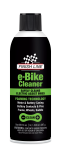 e-Bike Cleaner™Foaming spray designed to safely clean e-Bikes without rinsing
e-Bike Cleaner is a highly engineered clinging foam cleaner formulated to safely remove dirt and grime without the use of water.
 BOOSTED™ BioCleanWater-Based Cleaner & Degreaser
Innovative water-based cleaner and degreaser that deep cleans bike components like a solvent. Breaks down grease, oil and dirt with ease and is safe for all parts of a bike.
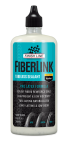 FiberLink™ Tubeless SealantBuilt with Kevlar™ to deliver faster and stronger seals
FiberLink™ Tubeless Sealant is built with Kevlar® for faster and stronger seals.
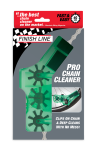 Pro Chain CleanerThe quick, efficient, and easy way to deep clean your bicycle chain
The Pro Chain Cleaner features three rotating brushes, two side plate scrubber pads, and a particle grabbing magnet to completely decontaminate your chain in less than 60 seconds.
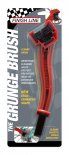 Grunge Brush™Makes cleaning your bicycle drivetrain fast and easy
Designed to clean every part of a bicycle drivetrain, the Finish Line® Grunge Brush™ features two unique brushes.
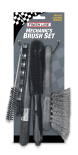 Mechanic's Brush Set5 piece mechanic's brush set designed to clean all parts of a bicycle
Finish Line® Mechanic Brush Set is a staple in most bike shops and a must-have for any cyclist looking to properly maintain their bike.
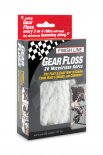 Gear Floss™ Microfiber RopeThe ultimate detailing tool for cleaning all hard to reach places
Gear Floss™ is the ultimate bicycle detailing tool. It’s perfect for cleaning everything from cassettes and chainrings, to the most intricate braking systems.
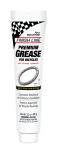 Premium GreaseFully waterproof and excels under extreme pressures
Finish Line's legendary synthetic bicycle grease is formulated with Trilinium Technology, advanced rust or corrosion inhibitors and extreme pressure additives that withstand the most extreme conditions that a bicycle can encounter.
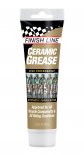 Ceramic GreaseThe most advanced bearing lubrication technology
Engineered with ceramic particles, friction reducing additives, and premium non-toxic synthetic oils, Ceramic Grease optimizes the performance and efficiency of your bottom bracket, hub, and headset bearings.
 Fiber Grip™Reduces slippage between clamped carbon fiber surfaces
Fiber Grip™ is specially designed to create friction and reduce slippage between clamped carbon fiber surfaces, allowing riders to achieve secure connections without over tightening.
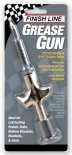 Pro Grease GunDelivers grease precisely where needed
Finish Line® Pro Grease Gun is a unique tool engineered to precisely deliver measured amounts of grease in hard to reach places.
 BOOSTED™ BioGreasePlant-Based Bearings & Suspension Grease
Grease that makes a difference. Synthesized from plant-based materials and engineered for suspension systems and high-RPM bearings.
 Max™ Suspension SprayReduces stiction and improves suspension performance
Max™ Suspension Spray quickly improves fork, shock, and dropper performance by re-lubricating stanchions and re-conditioning seals.
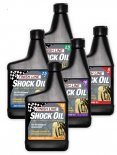 Shock Oil™ Suspension FluidPremium suspension fluid formulated for oil damped bicycle forks
Premium suspension fluid formulated for oil damped bicycle forks
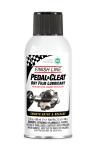 Pedal & Cleat LubricantEngineered to deliver fast engagements and smooth releases
Formulated with high-performing nano-ceramic boron nitride particles, Pedal & Cleat is engineered to ensure quick and confident engagements. This totally dry coating is oil free and repels dirt and water.
 Precision™ Dry Film Lubricant
Finish Line® Precision Dry Film Lubricant delivers fast pedal engagements, smooth releases, and exceptional protection for pedals, cleats, cables, threads, pivots, and springs. Its advanced dry-film formula reduces friction, repels dirt, and ensures long-lasting performance.
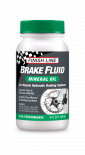 Brake Fluid - Mineral OilSuperior heat and pressure stability in hydraulic brake systems
Finish Line® Mineral Oil brake fluid is engineered for use in bicycle hydraulic disc brake systems. It features low viscosity base oils and proprietary additives to deliver superior brake lever and pad retraction response.
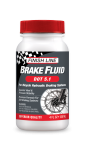 Brake Fluid - DOT 5.1Superior quality for bicycle hydraulic braking systems
Finish Line® DOT 5.1 brake fluid is engineered to provide maximum fluid life and optimal braking performance.
 Chill Zone™The rust-busting penetrating lubricant for seized-parts
Chill Zone™ is an advanced penetrating lubricant engineered to release rusted parts that have cold-welded together. Use to release seized seat posts, stuck bottom brackets, and bonded crankset bolts.
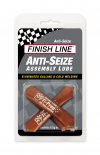 Anti Seize Assembly LubricantPrevents cold-welding, galling, and seizing of metal parts
Anti-Seize Assembly Lube is extremely robust and prevents cold welding, galling, and seizing of metal to metal contact parts.
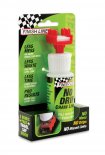 No Drip Chain Luber™The fast, no mess way to lubricate a bicycle chain
This easy-to-use applicator ensures that every chain link is coated evenly, without wasting excess lubricant.
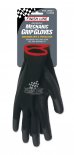 Mechanic Grip™ GlovesDurable and reusable mechanic grip gloves
Designed for long-term use and durability, the Finish Line® Mechanic Grip Gloves are the choice of pro mechanics everywhere.
 Absorb-It™ Mat
The Finish Line Absorb-It™ Mat is the perfect way to keep any work area clean. Designed with special absorption fiber technology, the Absorb-It Mat absorbs and traps chain lubricants, cleaners, degreasers, brake fluid and hydraulic oils.
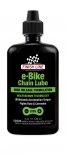 e-Bike Chain Lube™Engineered to handle high-pressures and torque
e-Bikes place a high demand on their drivetrain, differentiating them from standard bicycles. To meet these requirements, Finish Line has developed an e-Bike specific lubricant for riders.
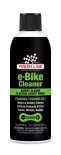 e-Bike Cleaner™Foaming spray designed to safely clean e-Bikes without rinsing
e-Bike Cleaner is a highly engineered clinging foam cleaner formulated to safely remove dirt and grime without the use of water.
 Drivetrain Kit™
The Drivetrain Kit™ brings you three of our most popular products in one convenient cleaning kit. Use the new and improved Grunge Brush™ and EcoTech™ Bike Degreaser to completely clean your drivetrain before re-lubing with our most popular lubricant, DRY Lube!
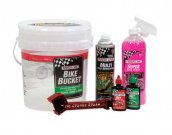 Pro Care Bucket Kit 6.0
The Essentials of Bicycle Care! This Pro Care Bucket Kit includes six of the essential items you'll need to care for your bike and protect your investment. A clean and lubed bike lasts longer, looks great and rides smooth and fast!
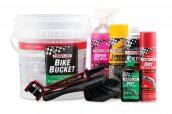 Pro Care Bucket Kit 8.0
Total Bicycle Care in a convenient carry/storage scrub bucket!
The Pro Care Bucket Kit 8.0 includes eight items! It's everything you'll need for the total care of your bicycle. Nothing is more fun than a fresh, clean, lubed bike - you'll ride faster, smoother and longer when you use the included items to care for your bike.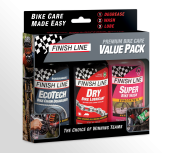 Premium Bike Care Value Pack
Everything you need to clean and lube your entire bike in one simple package. Use EcoTech Degreaser, Super Bike Wash™, and Dry Lube to keep your bike looking and running like new.
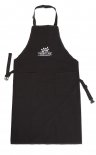 Shop Apron
Designed by mechanics, for mechanics. Washable heavy-duty cotton. Look pro, and stay clean with the Finish Line Shop Apron. Easy-ajust neck loop and simple waist strap keep this apron tidy, and the embroidered pocket logo lets everyone know that you too are a #LubeExpert!
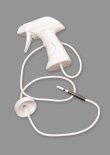 Sprayer for Gallons
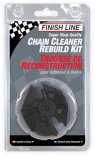 Pro Chain Cleaner Rebuild Kit
All the parts you need to bring your Finish Line Pro Chain Cleaner back to like-new condition.
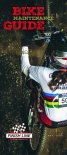 Maintenance Guide
Everything you need to know about maintaining your bike. This guide has tips and tricks for everything from cleaning your frame and lubing a chain to degreasing a derailleur and lubing your stanchions.
- Tech Tips
- Sponsorship
- About
- Resources